Waterproofing Basements In Older Homes
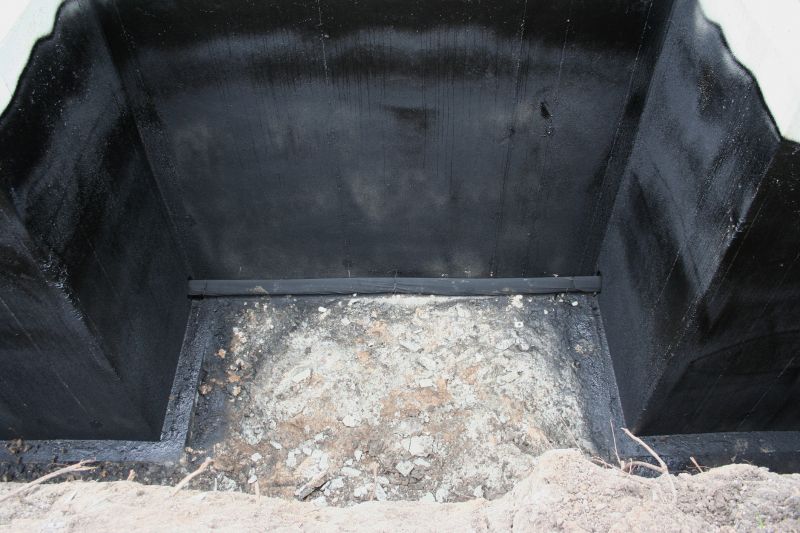
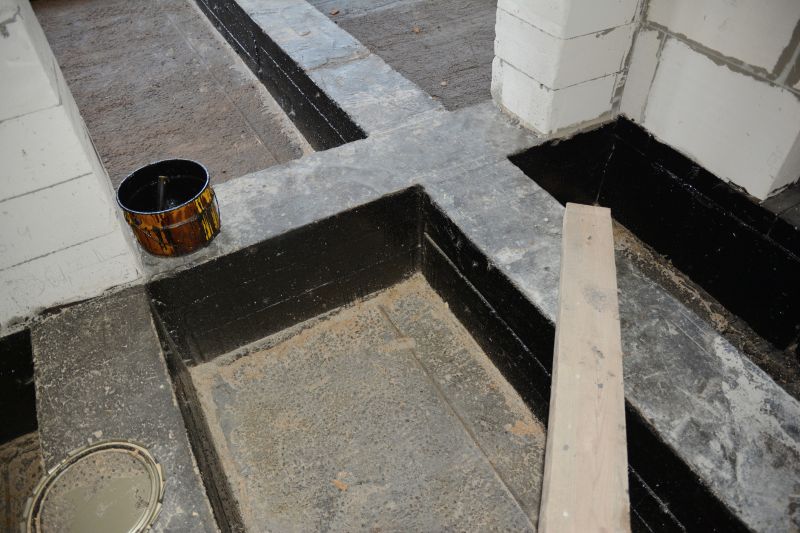
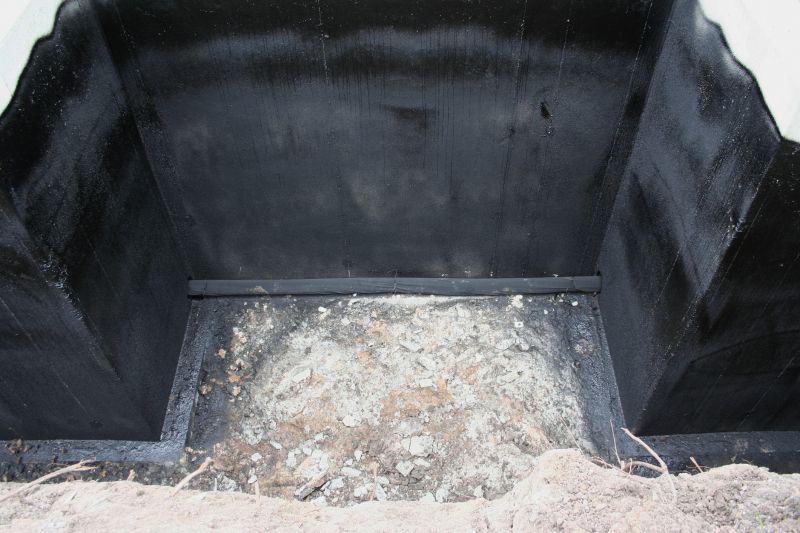
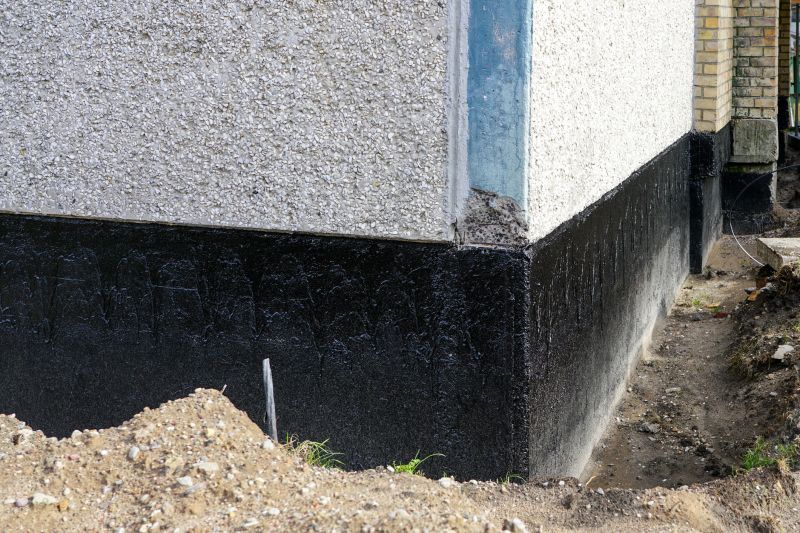
Waterproofing basements in older homes helps prevent water intrusion and structural issues. Local professionals offer specialized solutions to protect and preserve historic properties from water damage.
This page highlights common signs indicating your basement or foundation may require waterproofing. Recognizing issues like water stains, mold, and cracking early can prevent further damage and maintain structural integrity. Local pros can assess and address these problems effectively.
Water intrusion can severely damage foundations and basements, causing cracks, mold, and structural instability. Proper waterproofing protects your property from these issues and maintains its integrity over time.
Choosing the right season for waterproofing ensures effective application and long-lasting protection for structures. Proper timing, weather conditions, and materials are essential for durable waterproofing results.
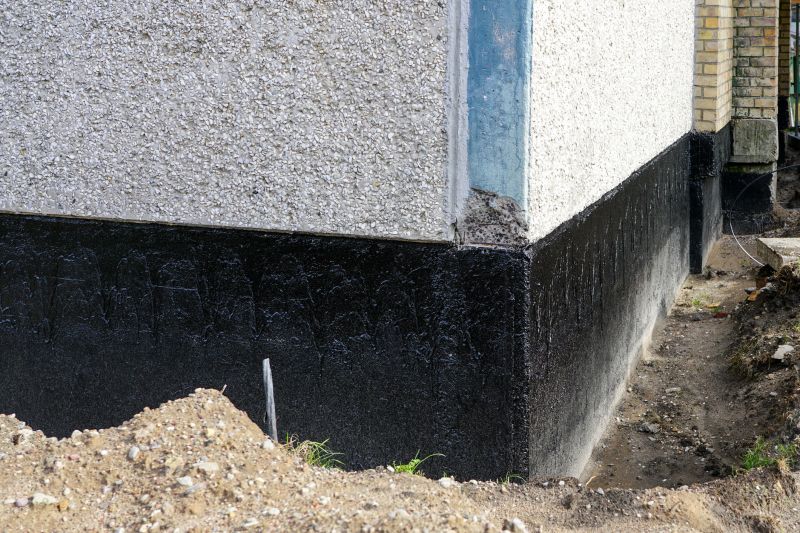
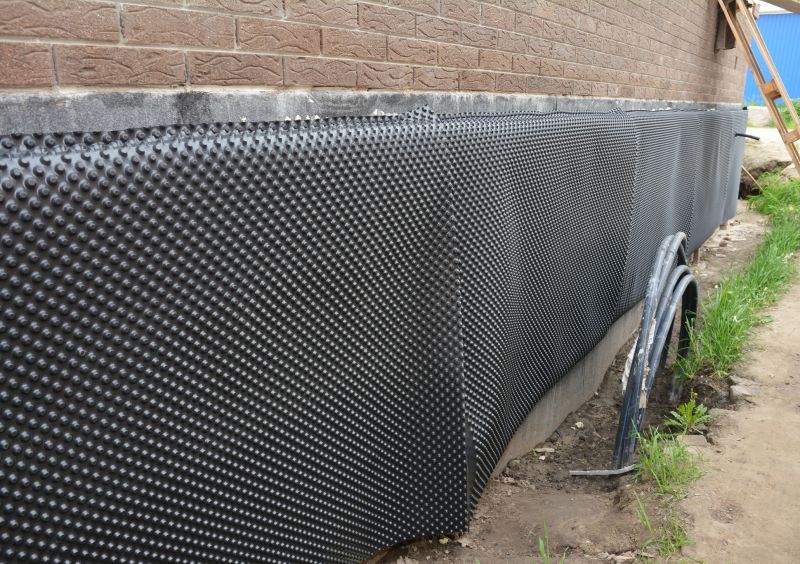
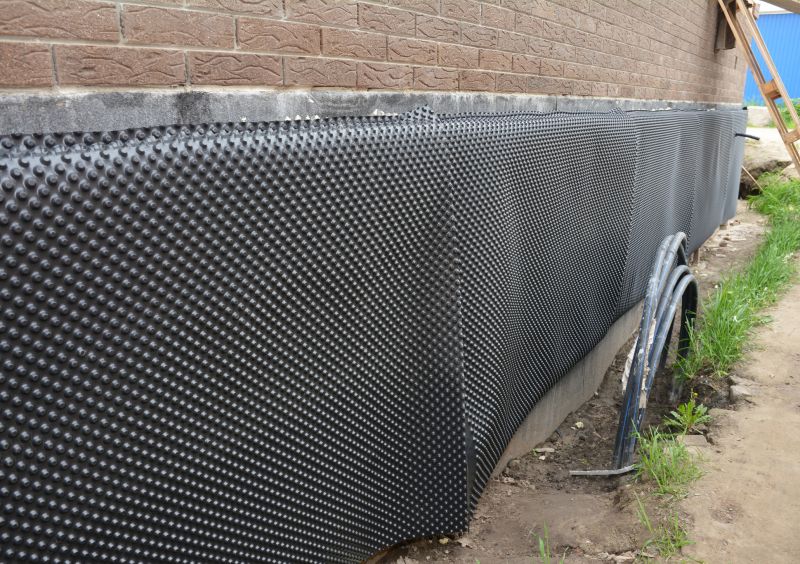
Waterproofing protects structures from water intrusion, preventing damage and mold growth. Proper application of materials like membranes, sealants, and coatings ensures durability, extends lifespan, and maintains structural integrity of buildings.
This page discusses foundation stabilization and leveling services for residential and commercial structures, highlighting common issues like settling, sinking, and cracks, and explaining repair techniques to maintain structural integrity.
Waterproofing services protect building foundations from water infiltration, structural damage, and mold growth. Proper application and maintenance extend lifespan, improve property value, and reduce long-term repair costs for residential and commercial structures.
Crawlspace encapsulation involves sealing and insulating to prevent moisture, improve air quality, and protect structural integrity. It reduces energy costs, prevents mold, pests, and wood decay, and enhances indoor environment and property value.